- Joined
- Nov 20, 2007
- Messages
- 11,969
- Reaction score
- 768
- Points
- 188

ORBITER-FORUM will be temporarily closed at 2026-07-23 18:00 UTC while we complete some OF maintenance tasks. The amount of downtime is expected to take up to one hour, but probably less.
The new satellite that will become the primary orbital tool for tracking sea-level rise is in excellent shape.
Sentinel-6 "Michael Freilich" was only launched three weeks ago, but already it is mapping ocean features in exquisite detail.
The dog kennel-shaped spacecraft is a joint endeavour between Europe and the US.
It is the latest iteration in a series of missions that have been measuring sea-surface height going back to 1992.
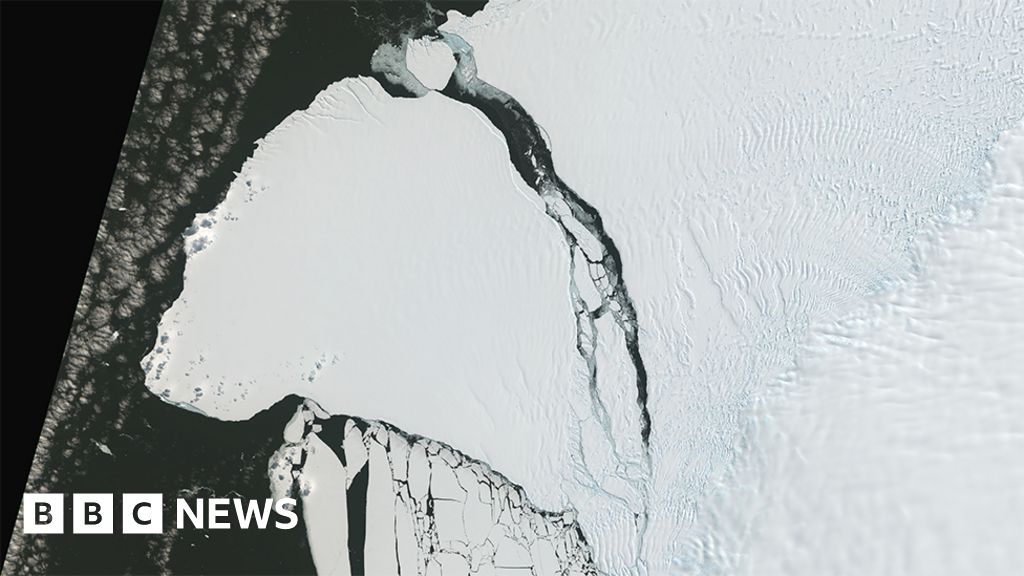
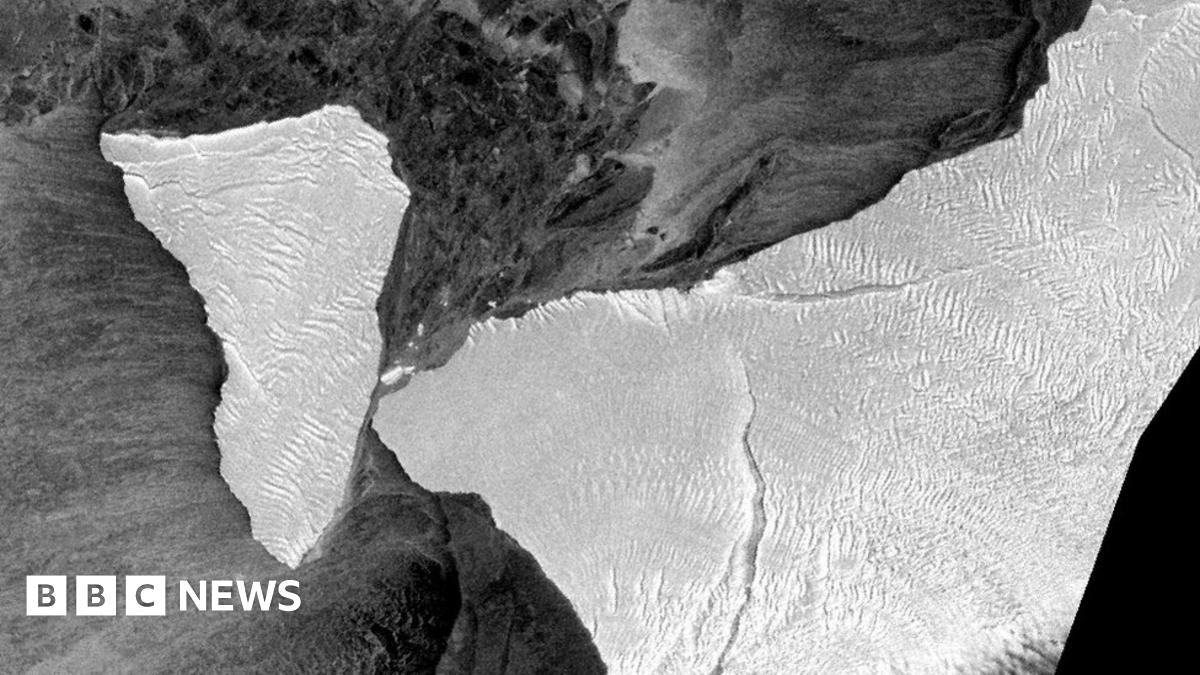
Radar satellites got their first good look at Antarctica's new mega-iceberg over the weekend.
The EU's Sentinel-1 and Germany's TerraSAR-X spacecraft both had passes over the 1,290-sq-km (500-sq-mile) block, informally named "A74".
Their sensors showed the berg to have moved rapidly away from the Brunt Ice Shelf - the floating platform from which it calved on Friday.
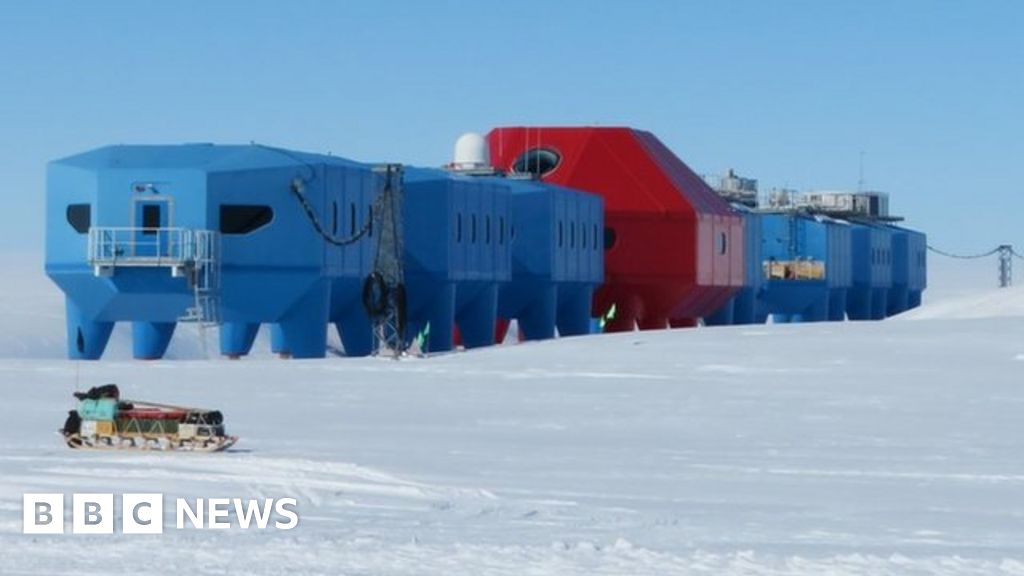
The good news is that no disturbance was felt at the UK's nearby base.
The Halley research station is sited just over 20km from the line of fracture, but GPS stations installed around the facility reported continued stability.
The German Research Vessel Polarstern has made a remarkable circumnavigation of Antarctica's latest mega-iceberg.
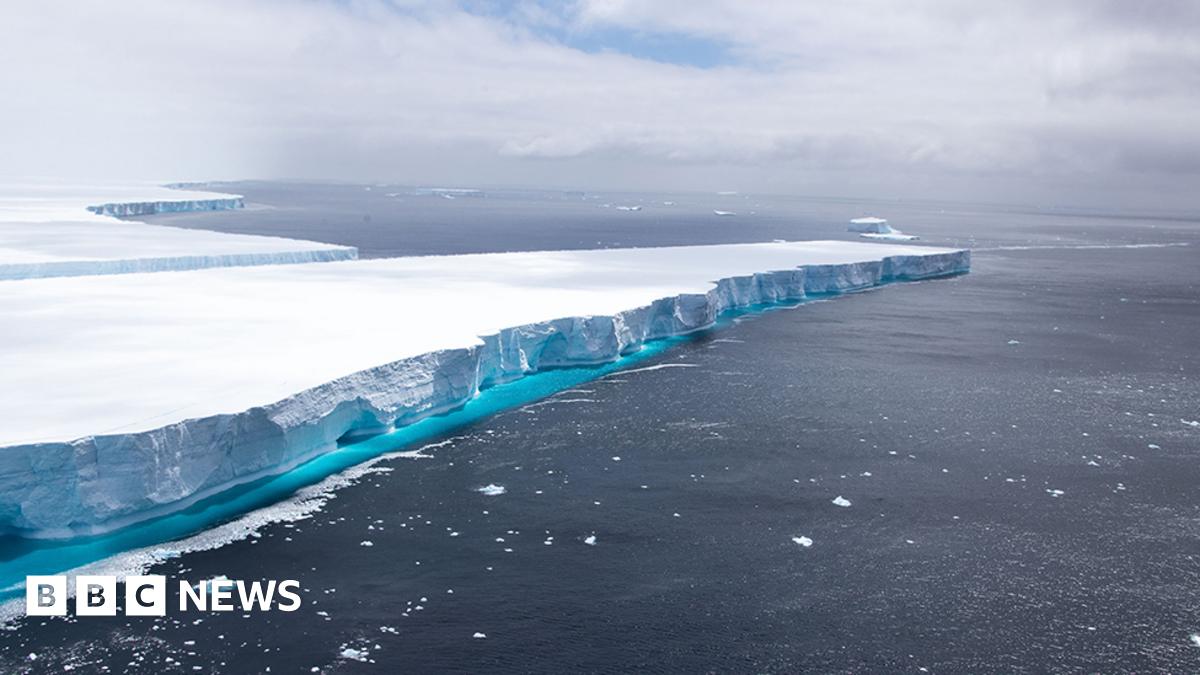
The ship sailed a complete circuit of the 1,290-sq-km (500 sq miles) frozen block, known as A74, at the weekend.
To do so, RV Polarstern had to navigate the very narrow channel that separates A74 from the Brunt Ice Shelf - the frozen floating platform from which the berg broke two weeks ago.
The EU's Sentinel-2 satellite managed to image the ship in the process.
A68: Iceberg that became a social media star melts away
 www.bbc.co.uk
 www.bbc.co.uk
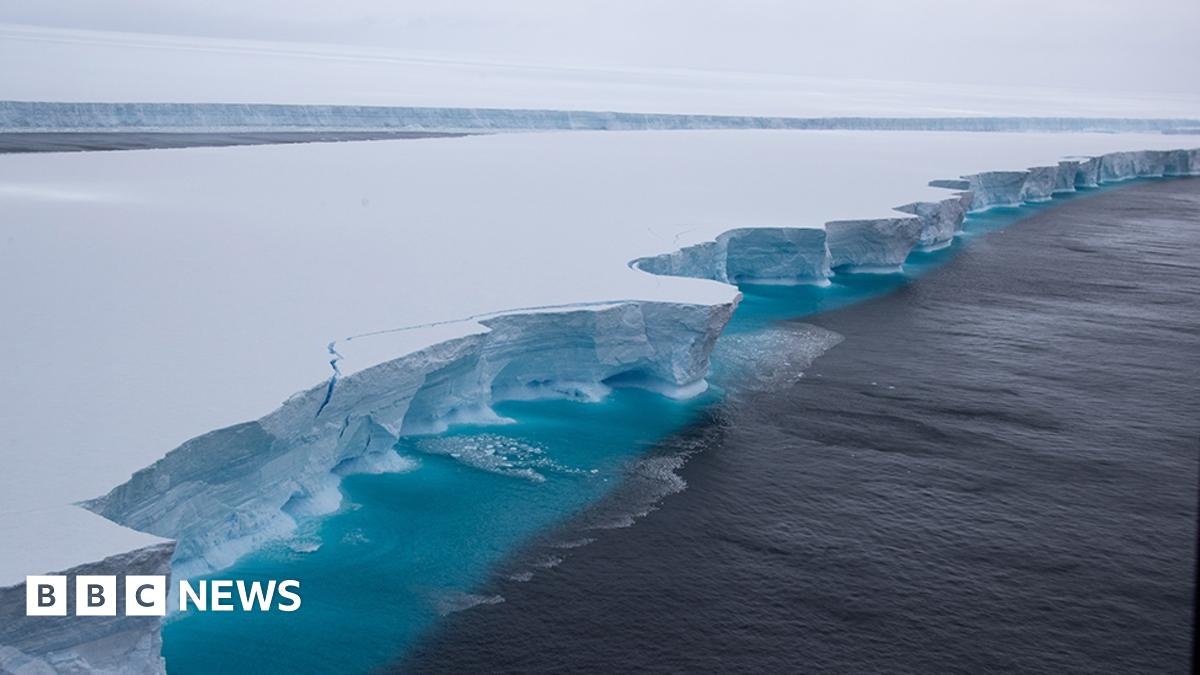
I thank to the climate change to make this possible. When my dad was born, the entire Antarctica was frozen all year. This is the climate change that melt some parts of it to form such big icebergs.Giant iceberg A74 kisses the Antarctic coast.

 www.bbc.co.uk
 www.bbc.co.uk

A summary of the investigation into the SAR payload failure concluded that two 28-volt power regulators for the SAR payload malfunctioned. One is needed to operate the payload. Efforts to restore them failed other than one case in April when the main regulator turned on for 4.4 seconds before turning off again. That provided “valuable observations to identify possible failure modes,” the summary stated.
“Our focus is on fast-tracking the launch of Sentinel-1C,” Cheli said in the statement. “Now, thanks to the successful inaugural flight of the Vega-C rocket on 13 July, we, with Arianespace, are targeting the launch in the second quarter of 2023.” There was discussion early in the year, though, of moving up the Sentinel-1C launch to as soon as late this year.
Despite the failure of its SAR payload, the Sentinel-1B spacecraft itself remains operational. “We have Sentinel-1B under control,” Alistair O’Connell, Sentinel-1 spacecraft operations manager, said in a statement. “We perform regular monitoring of the spacecraft health and routine orbit control maneuvers.”
ESA will deorbit Sentinel-1B after the launch of Sentinel-1C. O’Connell said the spacecraft will comply with orbital debris mitigation guidelines that call for spacecraft to be deorbited within 25 years of the end of its mission. “In practice, the reentry duration is expected to be much shorter,” he said.