
orbitingpluto
Orbiteer
- Joined
- May 1, 2010
- Messages
- 618
- Reaction score
- 0
- Points
- 16
TEAL RUBY
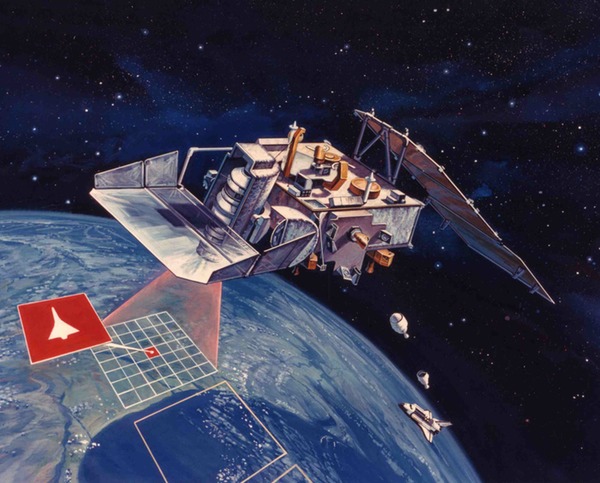
Unflown IR surveillance test satellite. Canceled after over a decade of development.
http://thespacereview.com/article/2599/1
Lacrosse, KH-12, and (wait for it
 ) Teal Ruby are all in [ame="http://www.orbithangar.com/searchid.php?ID=5593"]this addon pack[/ame] by BrianJ. Have fun!


